
By clicking submit, I consent to my personal data being collected, stored, and processed by Think Pacific in accordance with our Privacy Policy.
Dietary Requirements
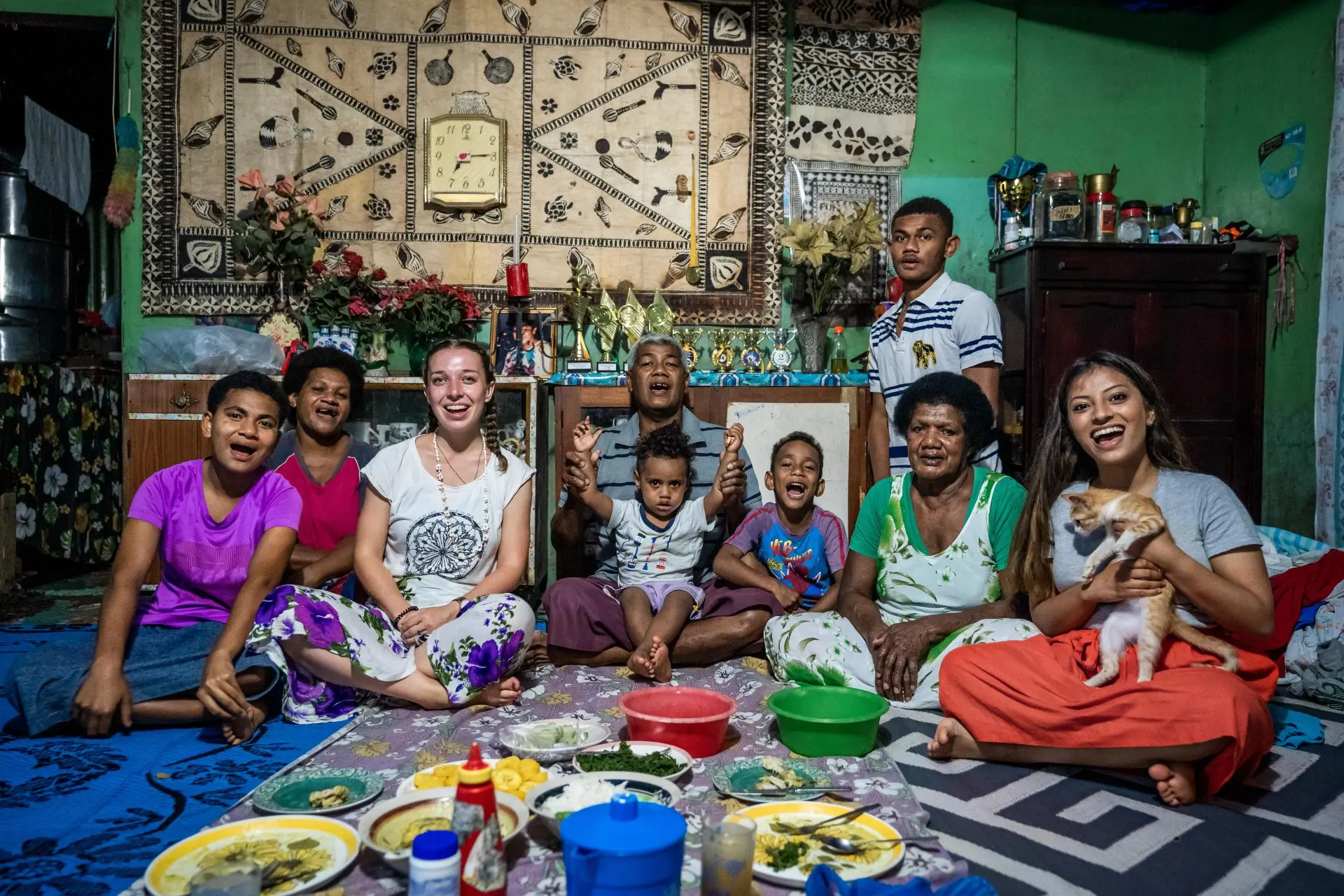
Think Pacific and Dietary Requirements
We take Dietary Requirements of all types, incredibly seriously at Think Pacific. Please ensure that you have informed a member of the Think Pacific team of all of your Dietary Requirements within good time before your program start date.
Food Context in Fiji
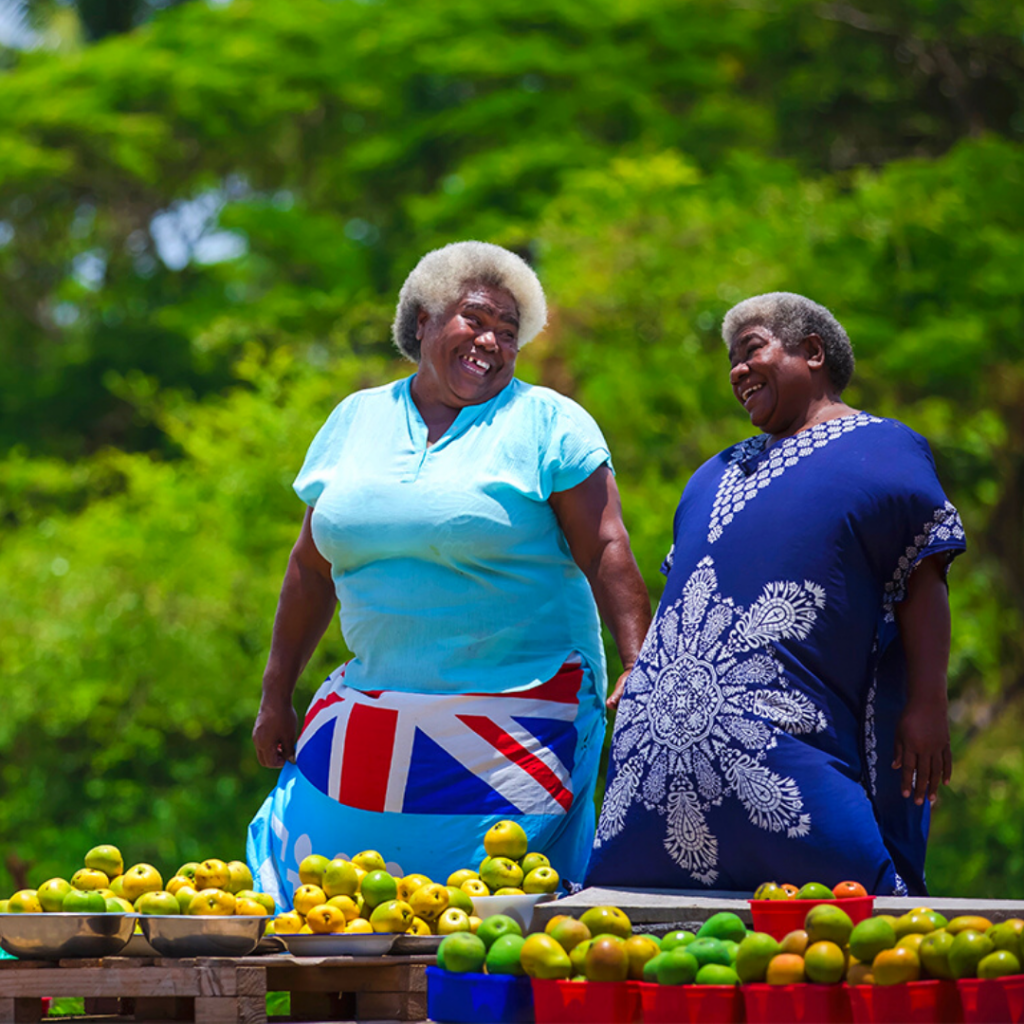
Food and meal times in Fiji is a large part of community life. The sharing and communal nature of meal times is one that participants reflect is a brilliant and memorable aspect of project and village life.
If you have an allergy or intolerance, as Think Pacific we will have briefed the Community as a whole but we will reinforce this information with your family within an individual conversation.
Sharing meals with other participants is an aspect of project life that you will experience and is a lovely way to meet other members of the community. With our knowledge and background of spending time in Fijian Villages, for those with dietary requirements, depending on severity and type, it is often easier for all involved to invite others to your home. This is to ensure that you know the food you are eating is prepared by your family and safe for you to eat.
Typical Fijian food

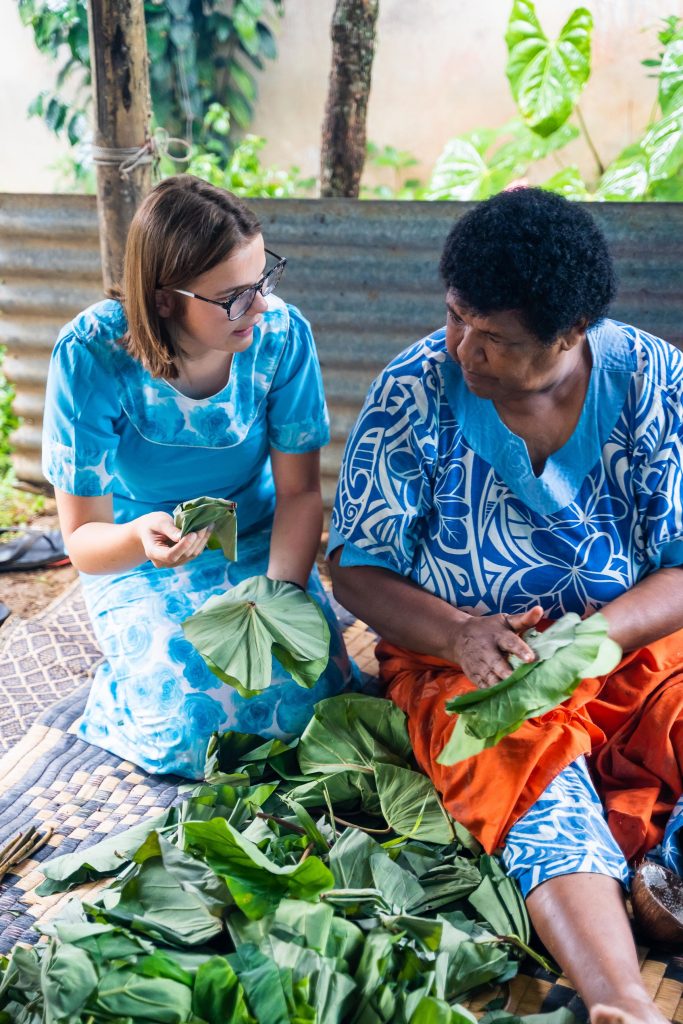
Food in a Fijian village is very carbohydrate heavy, and the central bulk of a Fijian diet is made up of root crops including Dalo and Cassava. Rice forms a basis for many meals also. Fijian’s eat lots of fish and most meals will consist of fresh fish, local green vegetables and rice. A typical Fijian meal could be cooked in coconut, chilli or lime. There are a lot of influences from Indian and Chinese cuisines within Fiji also, so expect meals such as curry and chop suey. Common breakfast in Fiji may consist of bread, roti, Fijian pancakes and fruits such as banana, coconut and papaya.
Fijians commonly also add food such as tinned tuna or corned beef and noodles. Many participants love the Fijian diet, the generous portions provided and the communal way of eating each meal together as a special time.. However the diet can post issues for some.
Meals may be repetitive, heavy and basic
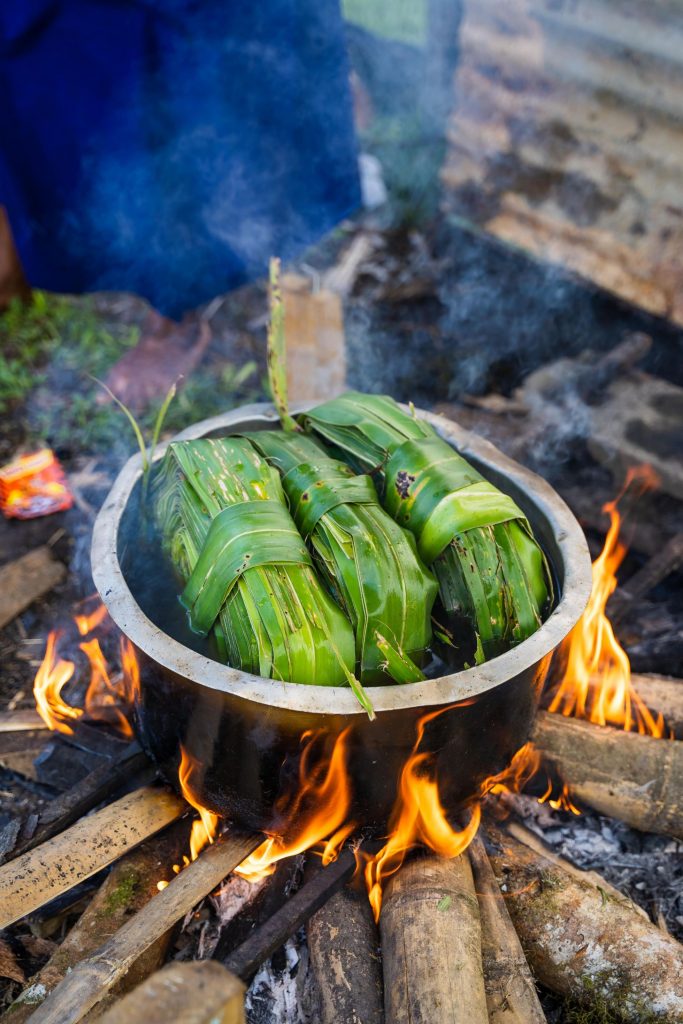
There is limited dairy produce, so few eggs, milk or cheese consumed. There is often limited fruit in the villages too, which students find surprising, but this is very much dictated on seasons, so it is a good idea to supplement your diet with multivitamin tablets. Please be prepared that there is not a great variety of food, which means meals can be repetitive, heavy and basic. However, Fijians will often make several dishes, and eat together with many different family members all sitting on the floor enjoying communal meals. Consequently, there are often different foods at each meal to try and this helps to find food you enjoy and eat more of. More commonly today, Fijians in rural communities will fry their food. However, this is a good example of how we can support by suggesting that food is boiled instead.
Cultural considerations…
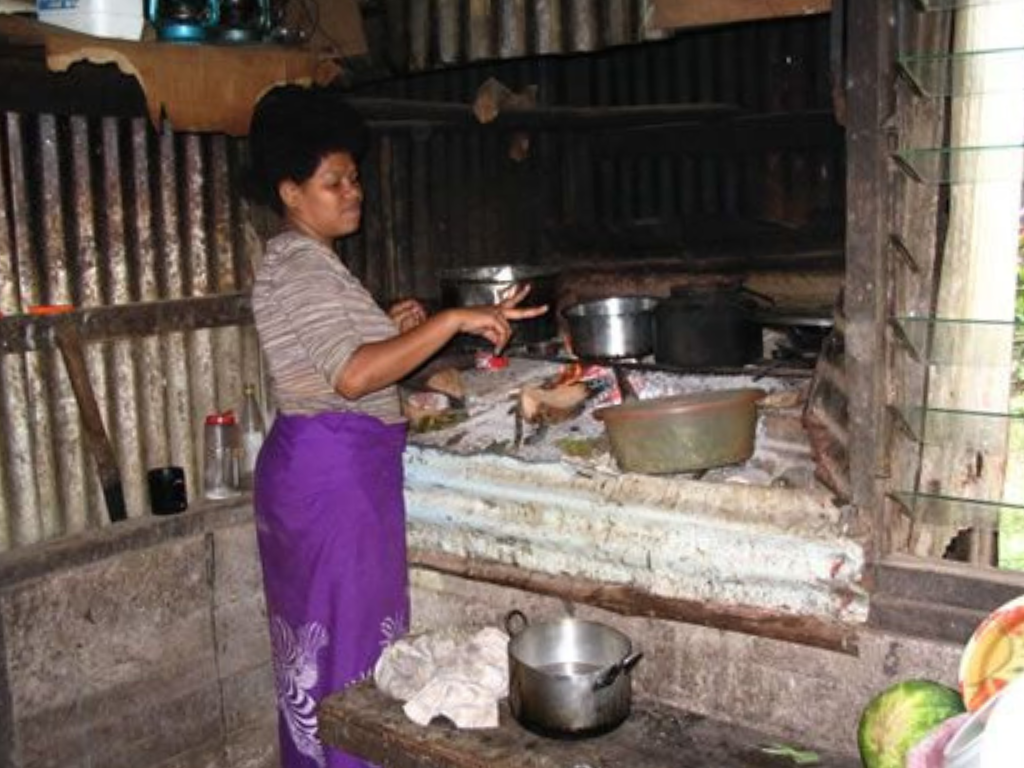
It’s always important to keep in mind the cultural background to food. The villagers work incredibly hard to provide food, often waking at 4pm daily to farm or fish or prepare for the whole community or travelling miles by bus or truck to markets. With no shops nearby and families largely reliant on subsistence, the local people go to huge efforts to provide food for their families and hosts. Because of this cultural difference, we are naturally so conscious and considerate to the community, whilst balancing the medical needs and dietary requirements we may have as guests. We encourage everyone to try all the different foods available and be mindful and humble of the cultural difference. We also come with a mindset to treat food simply as fuel to ensure we are healthy and nourished to achieve the project aims.
We do understand food can pose issues with specific dietary and medical needs, which is why it is important to chat ahead of going to Fiji. If you feel you may take time to adjust to the basic diet, you may wish to bring energy bars (as example) from home to supplement your diet in the first couple of days and we strongly advise you to chat through any challenges you are facing with your Leaders on project.
The Think Pacific Health Process - Dietary Requirements
Please select the tabs below to find out more information about the process’ Think Pacific follow.
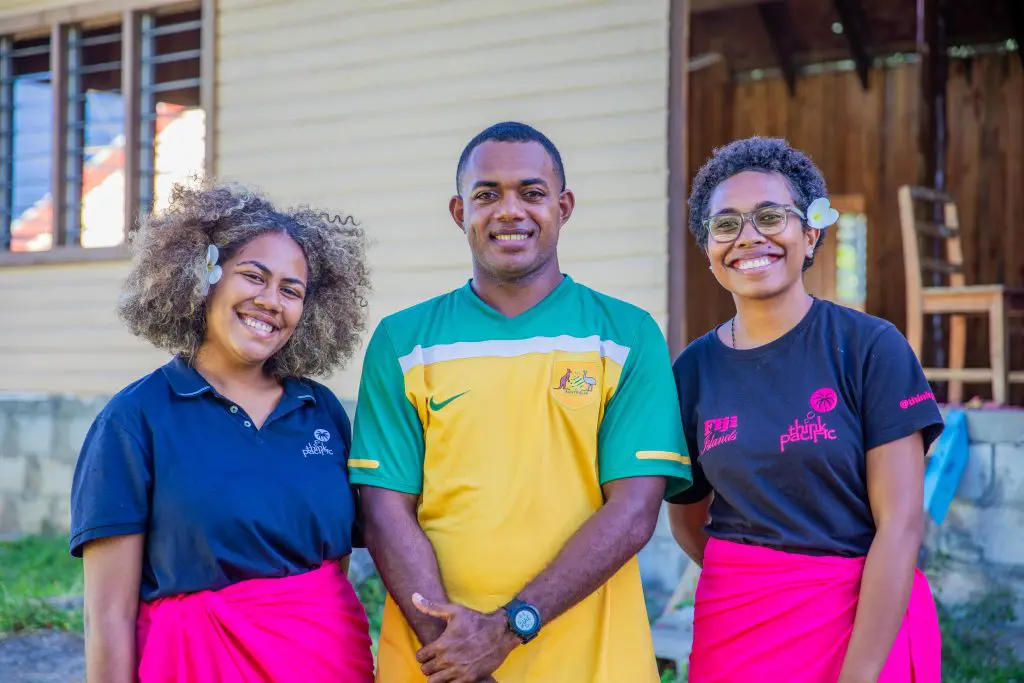
After informing Think Pacific of your Dietary Requirements, we log this information internally to share with the relevant team members in country. This information is then shared with our team to start the process of informing the resorts, hotels, and houses that you will be living in.
Village Immersion Program
- Preparation team will speak with the community that you are entering and start the conversation with the Turaga Ni Koro (Village Headman). They will discuss the safest and best home for you to be placed in during your project.
- Ahead of your arrival into your Village, your Field Project Coordinator will have spent time preparing the wider community, Youth and your families. They will have a further conversation with the family and ensure that they understand and will answer any final questions.
- Your project leaders will be with you 24/7 on your project, they will support with the Communication in the resorts at the start and end of project. They will be there to support you with conversations whilst on project.
Ultimate Fiji
Alongside the points above for during your time in the village as part of your program itinerary. The team will also…
- Share information with the Think Pacific House Staff in Suva, where you will be spending time.
- Sharing with the island resorts.
Think Pacific will do as much as we can to support you whilst on project and to make your transition into the community smooth. Please be aware that this is still your allergy and to continue to be vigilant to keep yourself safe.
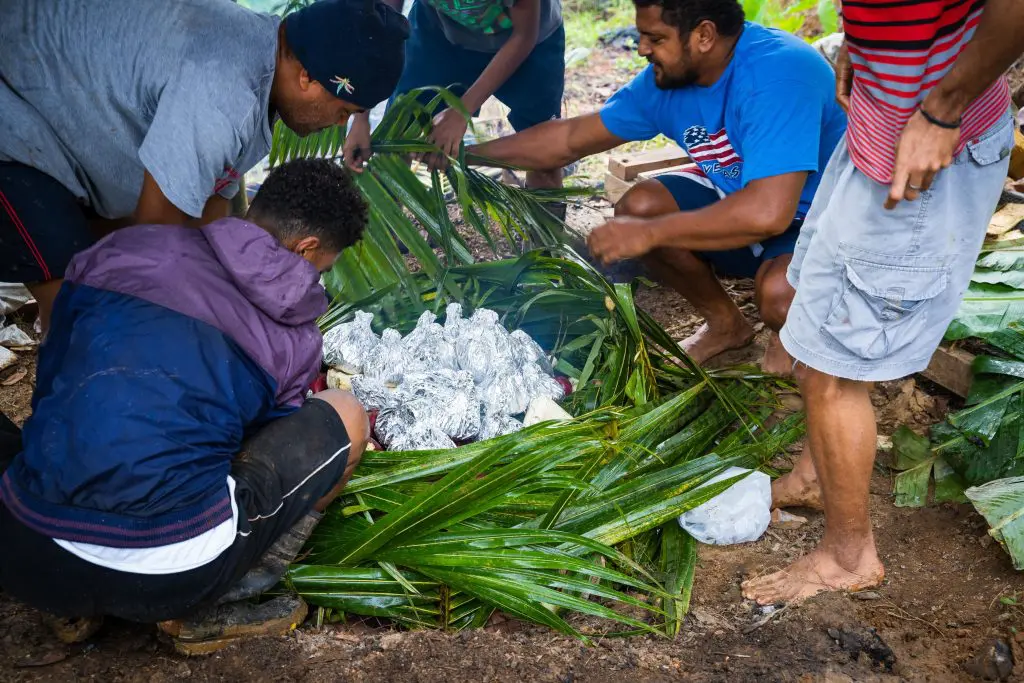
The severity of an allergy will depend on the individual. Severe allergies are ones which:
- Can result in potential loss of life
- Require the use of an Epi-Pen
- Include the swelling of airways
If you have an allergy that is classified as ‘severe’, please contact you Program Coordinator (team member that has been supporting you with your application) to book in a health call.
The health process:
- Volunteer informs Think Pacific staff team surrounding allergy.
- Health Call, with our Health Team to gather more information surrounding your allergy.
- Health Team pass your information over to our In-country teams who will process and start the conversations with the team.
Intolerances to foods are classified when either the body can’t properly digest the food that is eaten, or that a particular food might irritate the digestive system.
Food intolerances are something which Think Pacific has been supporting volunteers with since 2009. The most common intolerances are; Gluten and Dairy. However, there are many more that can affect people. If you have a food intolerance, please:
- Ensure that you have made a note of this on your booking form and again when you submit your pre-departure form ahead of your project start date.
- Complete the Allergy Form linked on this page and return to your Program Coordinator who will then pass this over to the Community Preparation team in Fiji.
If you have a dietary preference that you wish to follow when on project, please ensure that you have referenced this to your Program Coordinator. If you did not put down your dietary preference on your booking form, please ensure that you add this to your pre-departure form which is completed 8-weeks ahead of the project start date.
Dietary preferences include but are not exclusive to:
- Vegetarian
- Vegan
- Pescatarian
- Halal
If there are specific foods that you choose to not eat due to preference, please communicate this with your family when you are on project.
Those with Coeliac Disease are unable to eat gluten in any form.
Coeliac disease can be different levels of severity, please ensure that you have completed the medical form to inform Think Pacific on the severity for you as an individual.
- Traces of gluten
- Cross-contamination
- Being in the same vicinity of gluten (generally this includes raw versions of the gluten, e.g. bags of flour).
Think Pacific will pass this information over to our Community Preparation team in Fiji, and they will follow the structure as outlined above.
Participant Dietary Form
Being prepared for Fiji is vital, if you think that the team should have further information about your health background before you join project. Please see and download the forms below and send them back to your Program Coordinator!
Participant Dietary Form