On of the most exciting parts, of preparing to set off for the Fiji Islands, is packing. To ensure that you are well prepared for your trip, and have everything that you need, it is important to plan your packing thoroughly and in plenty of time; this allows you to make the most out of special journey that lies ahead.
This Kit List has been put together as a guide to help you decide what to pack, and is based on our extensive experience of guiding thousands of people to Fiji across the past 15 years. There may be things on here that you had not considered packing, or simply did not know that you would need, so please do ensure to read through it fully.
However, we do still encourage you use your own discretion when packing, as there may be things, not included on this list, that you know you need; please ensure to do you own research and consider your own personal circumstances too!
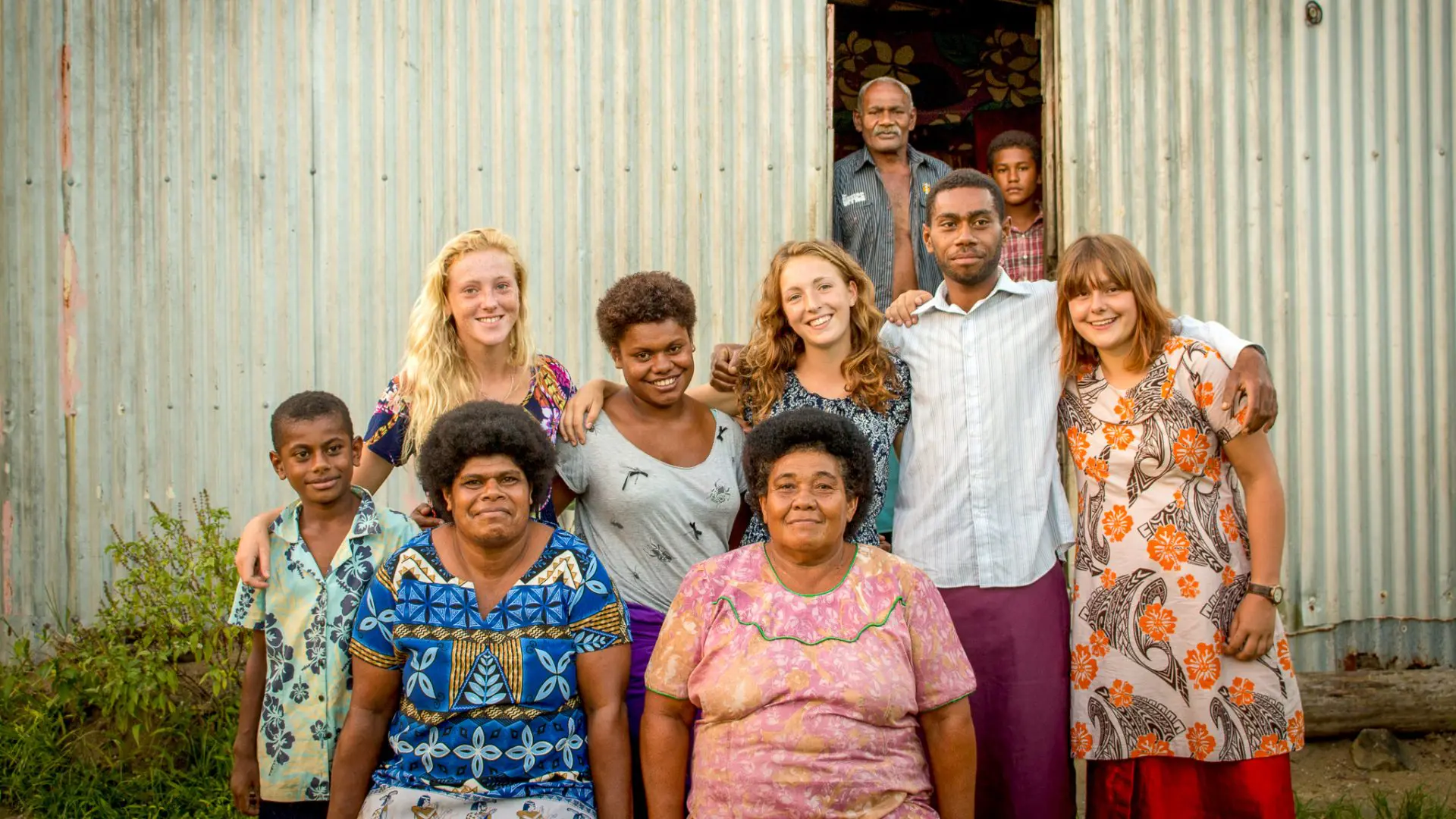
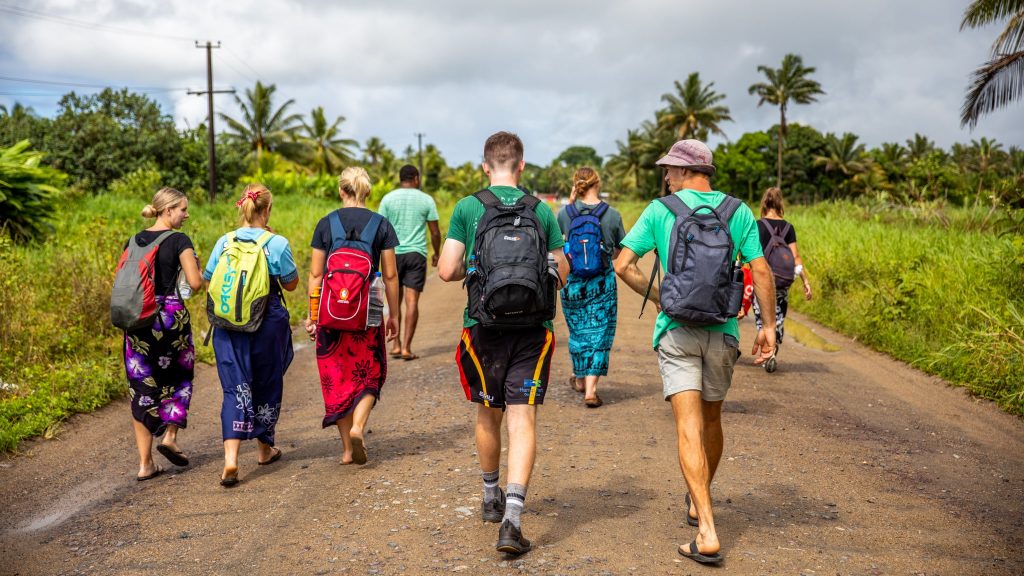
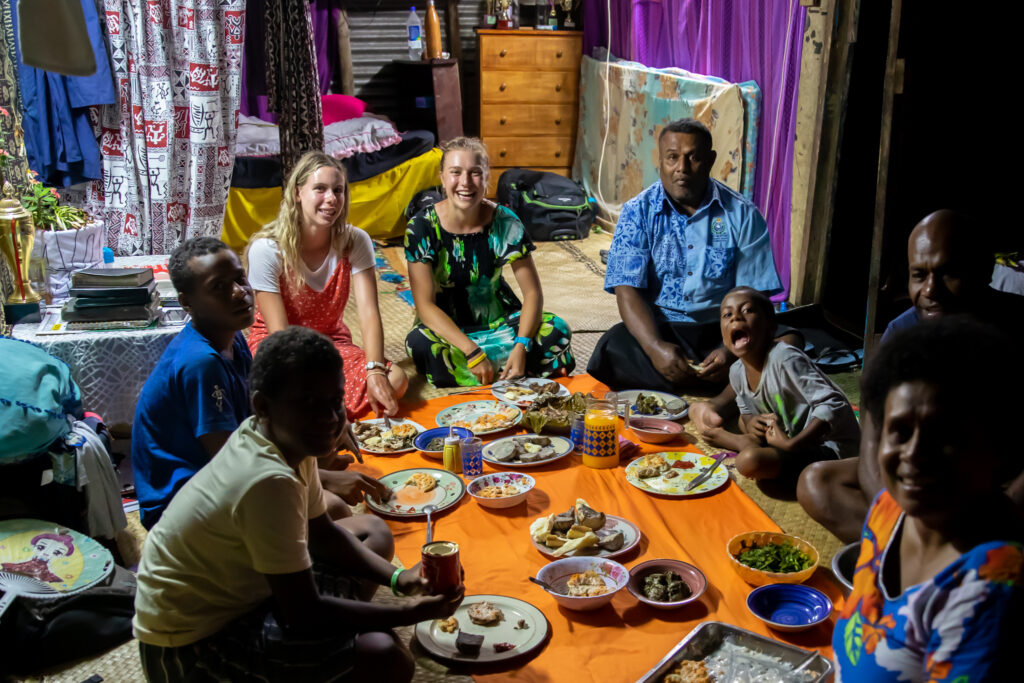
It is such a unique privilege to be welcomed as a member of a traditional community of Fiji. With this privilege we take on the great responsibility to uphold customs and culture, which Fijian people are so proud of. During your time in the village, both men and women must dress very modestly as we show the highest level of respect, and cultural sensitivity. For this reason we have a strict dress code for any time spent within a village setting, across all projects..
Why Upholding Fijian Dress Code Is So Important…
Dressing modestly is such an important aspect of traditional village life and is integral to local culture and beliefs in Fiji. As such, maintaining the correct dress code is vital to our project aims, and organisational ethics, and an incredibly important part of your experience.
Wearing culturally inappropriate clothing, could result in local people feeling uncomfortable or embarrassed, and in some cases, may go as far as to cause upset or offence. In order to show our respect, we ask you to adhere to local standards and etiquette, with regards to all elements of culture, at all times within the village; central to this is the maintenance of the correct dress code. It is vital to understand that while this dress code may be outside of our ‘norms’, and might go against what you would choose to wear day to day, you should be able to take pride in knowing you are showing the utmost respect to indigenous Fijian culture.
Being The Highest Standard Of Visitor To Fiji.
Respect local cultural beliefs and customs
Be proud that, with Think Pacific, we uphold the highest standards of cultural sensitivity
Ensure that local people never feel uncomfortable or embarrassed
Gain huge respect from within the community
Be remembered as a humble and culturally sensitive visitor to Fiji
Dress Code Basics For All
❌ No revealing clothing, such as low cut, transparent, or overly tight clothing.
❌ No vest tops
❌ No short length shorts (shorts should comfortable reach, or cover, the knee)
❌ No trousers to be worn by women in Fijian villages (including ¾ length trousers, or baggy trousers)
❌ No skirts and shorts above the knee
❌ Don’t wear caps, hats or other items on your head within the village. The the head is considered sacred and should remain uncovered
Sulu (Sarong)
The sulu is an essential part of Fijian village life. Sulu translates as ‘cloth’ in English, but in the context of clothing, refers to a sarong, that is worn around the waist, by both men and women, and is used to maintain modesty whilst in the village. These are worn frequently in the community, and it is always handy to keep one on you as you never know when it may be useful!
For women, it forms a vital part of day to day clothing, and can be put on quickly and easily when going about the village, whilst for men, it offers a quick option to make their clothing more formal, when the context calls for it.
Dress Code For Men
Day to day in the village, men typically wear a T-Shirt and knee length shorts
It is common to see men also wearing a Sulu
When drinking grog, men must wear a sulu (this will be explained to you during your in-country briefing)
For formal occasions, men wear a ‘pocket’ sulu, and a shirt (Explained below)
Dress Code For Women
Day to day in the village, women typically wear a t-shirt, and skirt/ sulu – some women prefer to wear dresses, but this is personal choice
For activities such as sports, hiking, swimming, etc women wear knee length shorts, and a t-shirt, with a sulu used as a coverup, until the activity begins – the only other time shorts may be worn is when outside of the village boundaries
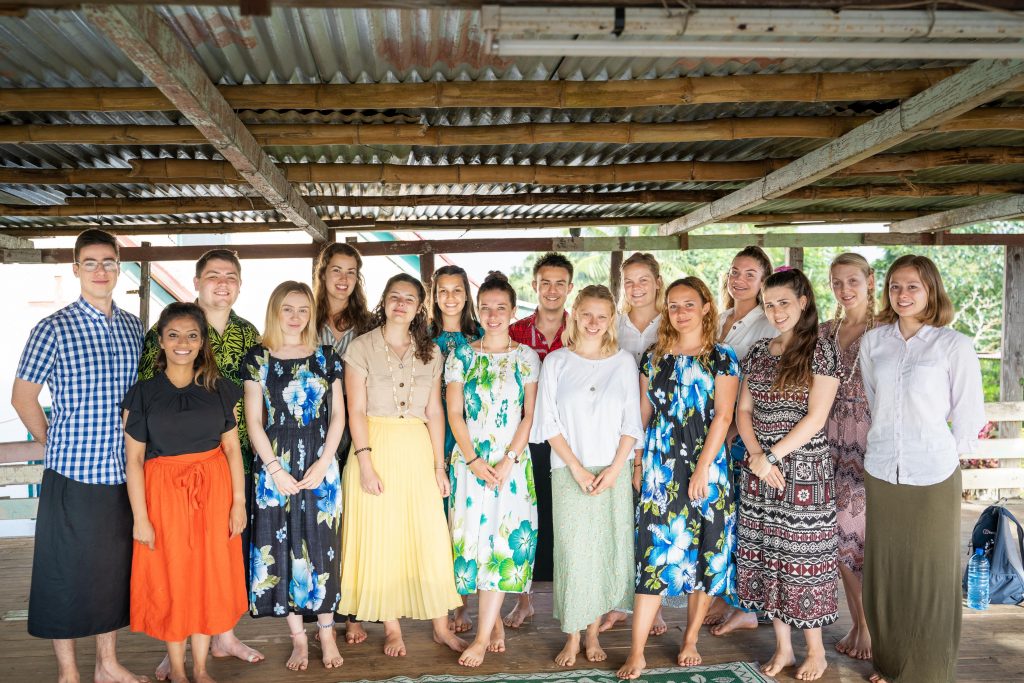
For formal occasions, women mostly wear dresses, or maxi skirts and blouses.
Formal Occasions
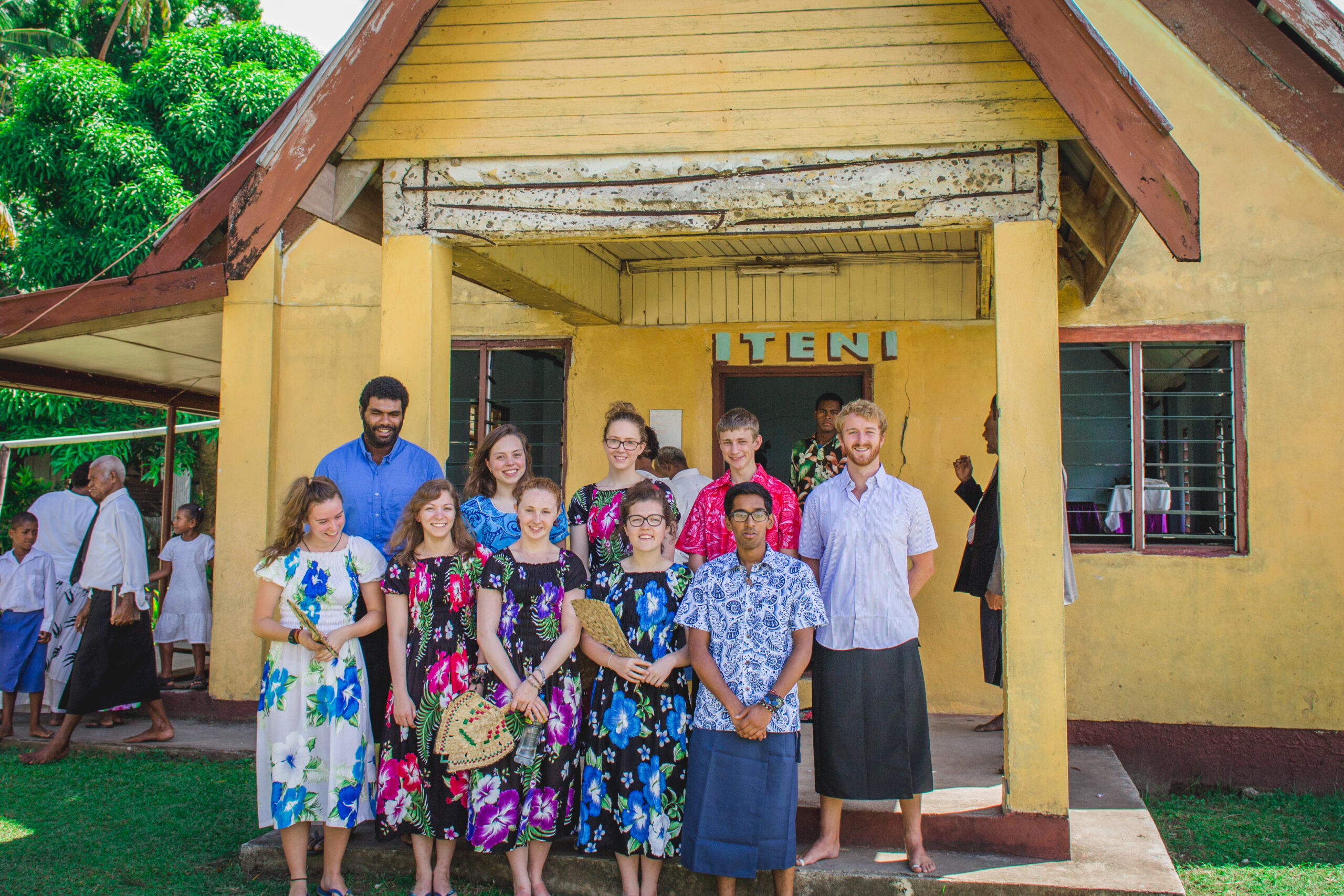
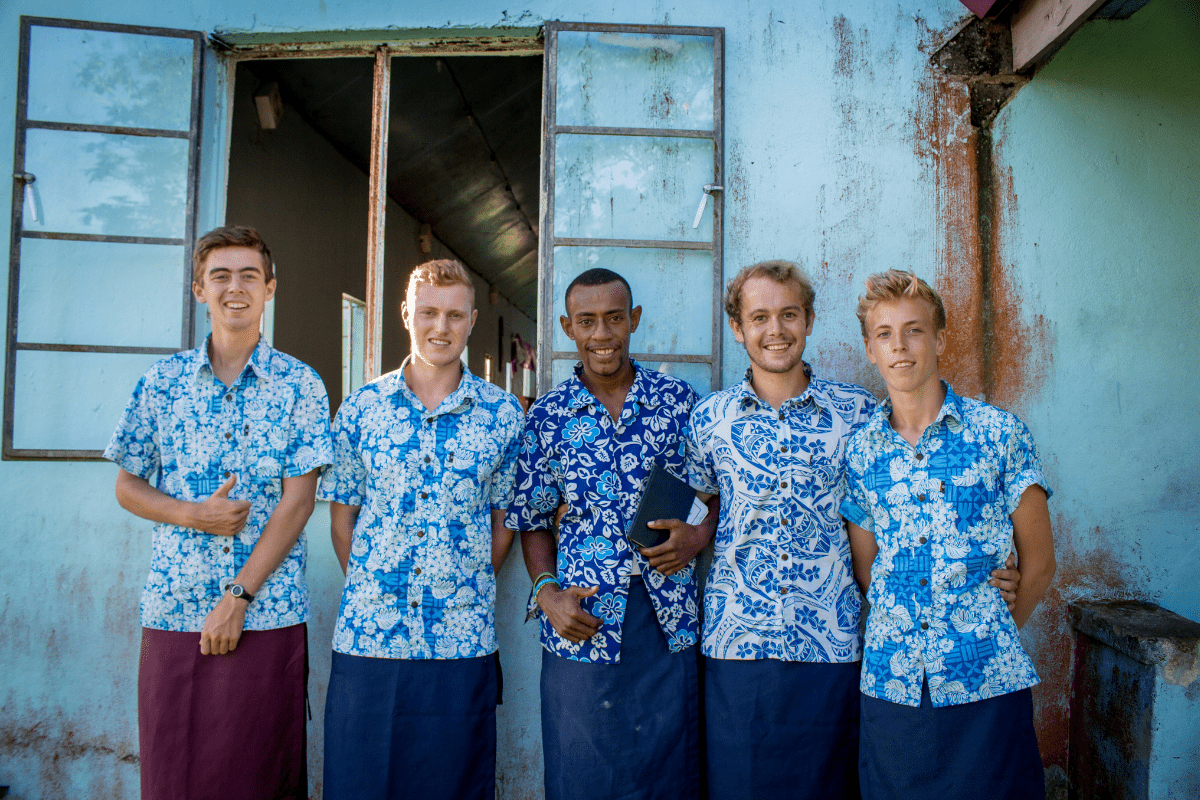
For formal occasions such as religious or cultural ceremonies, Fijian Men will wear a ‘pocket sulu’ (similar to a Scottish kilt) and a shirt (a common option for this is a colourful shirt, with strong prints, known as ‘bula shirts’
Fijian Women will commonly wear a dress, or a long skirt with a blouse (traditionally, Fijian women will wear an outfit known as a Jaba dress)
We provide time during the briefing to buy these items from local shops (budget approximately £20-30 per item)
Although it may feel unusual (at first) to wear such clothing, the local people will greatly admire and respect your forethought for ITaukei culture, beliefs and traditions.
Day to day when walking around the village we recommend that you wear sandals, or flip flops, as these can easily be taken off when entering the home. For any form of activity, we encourage you to cover your feet and wear good grip trainers.
You will most likely see Fijians walking around with bare feet, and rarely wearing shoes. It is important to remember that they are very used to this and their feet have built up tolerance to this over time – it is not recommended for you to do this as it may result in injuries.
Recommended Clothing List For Men..
We advise the following as a guide for all projects:
7-10 x T-shirts
2-3 x Shorts
2 x Shirts (short sleeve)
Underwear x10 pairs / Socks x5 pairs
Flip Flops or sandals x 2
Good Grip Trainers x 1
Fleece/Hoodie x 1
Jogging bottoms/ sweat pants x 1
Rain Jacket / Waterproofs
Swimming trunks
Pyjamas / something to sleep in
Any clothes you wish to wear at the resorts before and after the village
You may wish to buy in Fiji…
1x Pocket Sulu
Bula Shirt(s)
Recommended Clothing List For Women…
Please bring from home…
7-10 x T-shirts
2 x Shorts
2 x Blouses
3 x Skirts/Midi Dresses
1 x Maxi Dress
Underwear x10 pairs
Flip Flops x 2
Good Grip Trainers x 1
Fleece/Hoodie x 1
Jogging bottoms/ sweat pants x 1
Rain Jacket / waterproofs
Swimming costume
Pyjamas / something to sleep in (you can wear short shorts/ t-shirts to sleep in)
Any clothes you wish to wear at the resorts before and after the village
You may wish to buy in Fiji…
1x Fijian dress
1x Sulu
Top Tips and Advice…
Pack for 10 days: you can do washing whilst in Fiji, so as long as you have enough clothes for 10 days, you will be fine
Be Ruthless: If you can’t fit everything into one large bag or backpack, you’ve got too much!
Remember what is Important: Respecting culture is far more important than being fashionable – there is no need to spend a lot of money on a whole new wardrobe; you likely have clothes already that will be perfect, or you can find stuff on Vinted, or in charity shops
Things may get Dirty: We advise against bringing expensive clothing as these can easily get dirty in the village.
Buying Clothes In Fiji (All Prices In Fijian Dollars)
You have the opportunity to buy traditional Fijian clothes during your briefing. Please budget:
Filter Water Bottle: Strongly recommended and number one on our list as it can help reduce time taken to adjust to water, and filter our anything that your body may not be used to.Click on the following link to see some examples: filter bottle.
*We have a code for WaterToGo bottles for 15% off, use the code ‘thinkpacific15’ at checkout to get the discount!
Mosquito Net
Adaptor
Single bed sheet or sleeping bag liner (it will be too hot for a sleeping bag)
Towels x 2 (we recommend microfibre as the take up much less room, and dry much faster)
Torch (a head torch is useful)
Padlock
Cheap Watch or alarm clock (don’t rely on your phone as electricity will be limited!)
Notebook and Pen
Documents – Printed paper copy of your passport photo page, flight itinerary and insurance
Appropriate footwear – Bring good grip trainers/sneakers, and a pair of sandals/ flip flops for around the village.
Wash bag and personal care:
Mosquito Repellent with deet (1 x large bottle should cover your time in Fiji)*
Sun Cream (high factor – the sun is MUCH stronger than in the UK)
Shower gel & soap*
Deodorant*
Toothbrush & toothpaste*
Razors (and shaving gel)
Small mirror
Tweezers
Tampons/sanitary towels (pack these even if you don’t expect to be on your period during project)*
*These items can be purchased in Fiji, but may be different to the versions of these you would find in your home country, and can sometimes be more expensive too, if in doubt, bring it with you.
Optional Kit..
Additionally, you may find these items useful to bring:
Packing Cubes (helps organise your clothes)
Surge Protector (useful for protecting electrical items from damage from voltage fluctuations from the generators in Fiji)
Toilet Roll x 1 roll (just as a spare, you don’t need to pack for your whole time in Fiji)
Ear Plugs/ Eye Mask
Contact lenses/spare glasses
Sunglasses
Safety pins
Baby wipes
Head lice shampoo
Nail clippers
When it comes to packing, we would recommend a bag or a large rucksack, as these can often be easier to transport around, but a suitcase is absolutely fine too! It is also a good idea to bring a small rucksack, or tote bag, for day to day use.
Our mindset for the project is always ‘Prevention is better than cure’.
Bringing a good supply of basic first aid supplies is essential, especially when joining a rural based project. Hopefully you won’t require these items, but our experience is that small illnesses and ailments can be very common in such a different and tropical environment.
All Items To Be Brought From Home…
Small bag/ first aid bag
Plasters (band aids)
Antiseptic cream x1
Cold/Flu medicine x1 (common to catch a cold when travelling on planes)
Box Painkillers x1
Antihistamine Tablets – helps with the management of mosquito bites and the change in environment (enough for x1 a day)
Sting relief cream/spray x1
Oral rehydration salts (ORS) x1 packet (we recommend the tubes with disolvable tablets)
Filter Water Bottle OR Water Purification tables
Multi-vitamin tablets x1 box
Optional Additional Items
These items are not essential, but can be packed if desired. These items will likely also be in the first aid kit on program, or can be brought as/when needed.
We occasionally get feedback that people wish they had taken small gifts and items with them to the village. You are not expected to bring anything and the families and kids certainly won’t expect any gifts from you. However, just in case you wanted to bring any items, we thought we would include some recommendations:
Great Example Gifts For Your Fijian Family
Biscuits
Flavoured Tea
Sports Kit
Playing Cards
Games – travel games/ Uno / Top Trumps etc..
Sweets
Flags
Novel Gifts from your home country i.e union jack tea towel (Fijian’s love items that have relevance to you and your home)
Great Example Gifts For Children
Bubbles
Wristbands
Face-paint
Pencils / Crayons
Bouncy Balls
Shiny Stickers
Top Tip From Past Participants.. Bring Photos!
“My biggest tip would be to take a small pack of printed photos or a little travel photo album with you”
“Bringing printed photos of your family and life at home is a great conversation starter”
For most international flights you are usually limited to one x 22kg bag plus a small bag for the plane. Please be sure to consult all airline guidelines on the exact weight allowances. Roll your clothes before packing them to save on space.
Be ruthless
If you can’t fit everything into one large bag or backpack, you’ve got too much! Pack just for 10 days. You can wash weekly and you’ll end up wearing the same clothes again and again. We’ve provided a list of essential items, important first aid and an example clothing list to help
Take a Fijian approach!
Part of immersing into a new culture is adopting local traditions, including clothing. You can buy Fijian clothes during your briefing phase and these are perfect for everyday life. Please have a good read and consideration of Fijian dress code so you are prepared.
Take as few valuables as possible.
You don’t need valuables such as jewellery or expensive clothing. For village based projects, life in Fiji can also be harsh on your clothing so it is best taking cheap clothes that you wouldn’t be too upset if they were to get damaged.
Don’t forget to bring important documents!
It is essential that bring with you:
Passport
Photo ID card (European ID card, driving licence etc.)
A paper copy of your flight itinerary (including proof of ongoing flight)
A paper copy of your passport photo page (every accommodation you enter will ask to take a copy of your passport, having copies is very useful!)