By clicking submit, I consent to my personal data being collected, stored, and processed by Think Pacific in accordance with our Privacy Policy.
Our Purpose and Impact
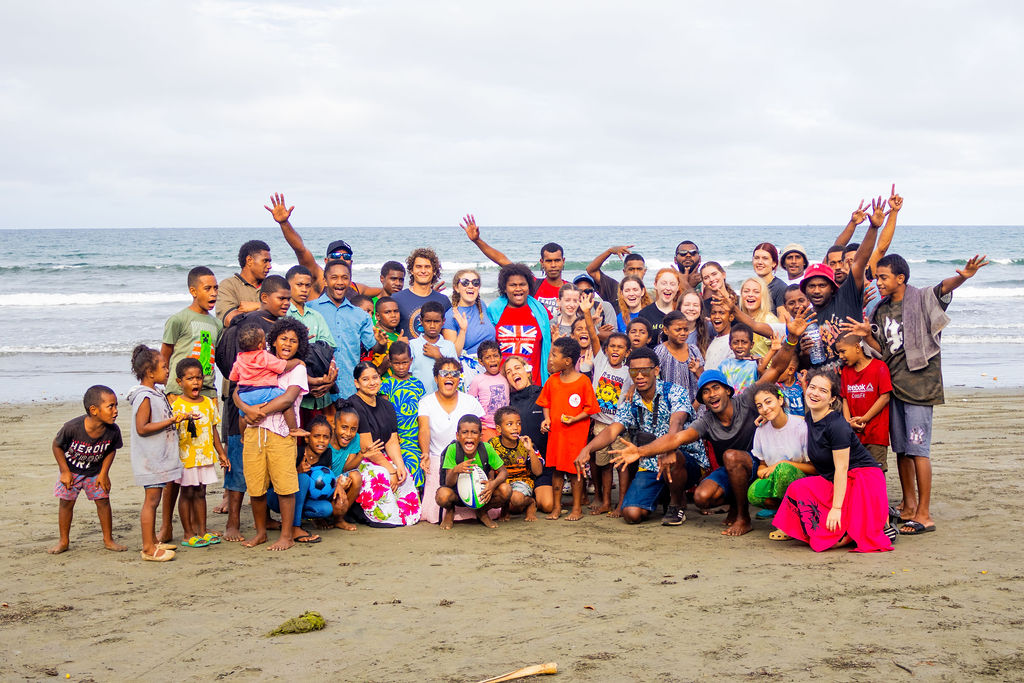
Deeply Rooted, Sustainable & Locally Led
Personal Growth, Local Impact
To anyone who’s had an immersive experience overseas, there is little doubt of the life-changing impact it can have. Participants who join our expeditions often come back with a new sense of self, of their own abilities and strength, and a better understanding of what they find personally fulfilling. This is all part of why we do what we do! However, the other important side of our aims is to utilise travel to create positive impact in the locations where they are visiting, and it is vital that this is achieved through the correct approach…
It is with a learning mindset, long-term thinking and focus on collaboration that we achieve this. We are proud to have registered organisations in each destination we work and over 100 annual staff globally. What does this mean for you? That you are joining an organisation that provides an authentic experience like no other, whilst knowing that what you are doing is achieving outcomes that have a sustainable ripple effect.
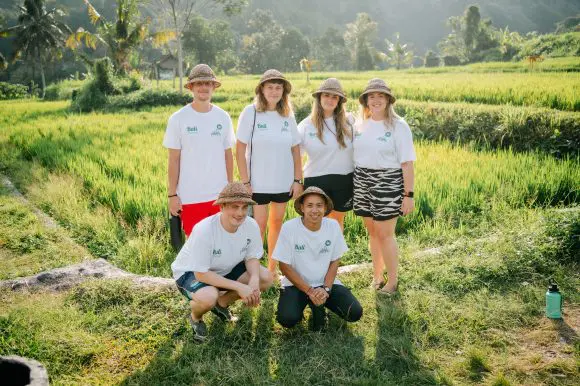
Every Programme:
- Provides a platform for healthy cross-cultural exchange
- Creates a financial influx into non-traditional spaces in society within the tourism sector
- Eg. Local transport / accommodation options / Etc.
- Is a form of travel that juxtaposes other models of tourism which are more damaging for a country’s culture, autonomy and economy
- Funds long term sustainable growth
- This financial support goes to our local partner organisation to support their capacity growth to achieve their aims
- Funds reciprocal opportunity creation for local students in the locations in which we deliver
- Funds Environmental Initiatives
- As an organisation operating responsibly with a carbon footprint, we aim to take responsibility and ensure that we invest in environmental projects that support with both local adaption measures and innovation for a sustainable transition.
3 Channels of Impact:
Reframing your lens on the world and your place in it
We exist to lead transformative small-group adventures that create positive impact locally. True impact, which can be positive or negative, is measurable. Our positive impact comes from sustainability-focused and culturally respectful programmes that honour local traditions and contribute directly to the local economy, creating positive impact for the participant as well as the locality.
That’s why we define our influence across these three core channels:
Participant
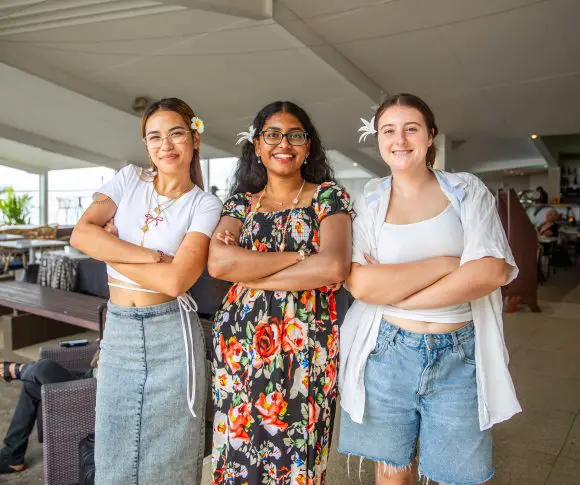
- Transformational global citizenship experiences
- Cultural immersion and personal growth
- Professional development and soft skills
- Lifelong friendships and confidence building adventures
Local Partner
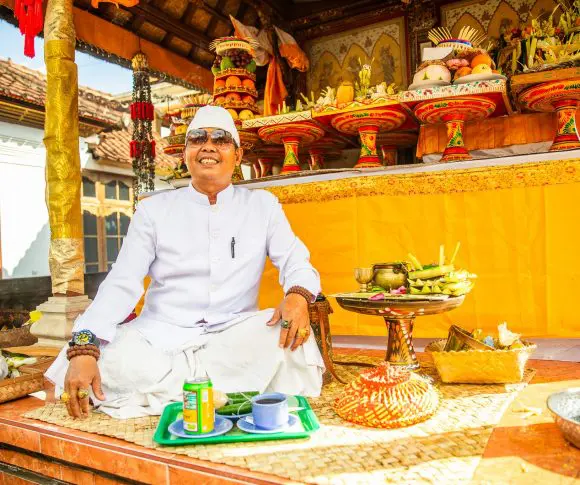
- Progress toward community-led development goals
- Capacity building through funding, skills, and ideas
- Stable revenue and reduced dependency on grants
- Increased visibility and global networking
Location
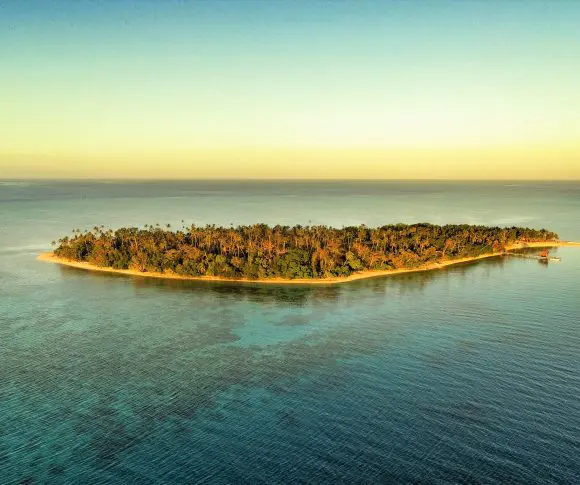
- A more meaningful, responsible form of tourism
- Financial distribution to underrepresented local sectors (e.g., homestays, rural enterprises)
- An enhanced global brand for ethical travel
- Investment into environmental resilience
For You, the Participant
We believe it’s time to change the way travellers experience the world. Our vision is to transform global mobility, moving beyond outdated models to a new era of ethical, educational, and community-driven travel.
Each journey is designed to equip you with the skills, experiences, and clarity to thrive, both personally and professionally. Here’s what you’ll take away:
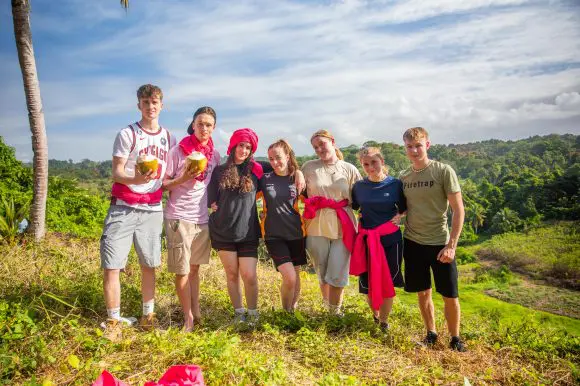
- Cultural Intelligence – learning to adapt, empathise, and communicate across cultures.
- Confidence & Self-Belief – stepping outside your comfort zone and thriving in new environments.
- Teamwork & Collaboration – living, working, and problem-solving with a diverse group of peers.
- Resilience & Adaptability – managing challenges, from remote living to navigating cultural differences.
- Global Awareness – understanding complex global issues through real-world, local perspectives.
- Leadership Skills – taking initiative, contributing ideas, and guiding group projects or reflections.
- Communication Skills – sharing stories, presenting ideas, and building meaningful cross-cultural relationships.
- Clarity & Direction – discovering new passions, strengths, and future career pathways.
- Wellbeing & Mindfulness – developing balance and presence through nature, reflection, and cultural practices.
- Lifelong Connections – building friendships and networks that extend across borders.
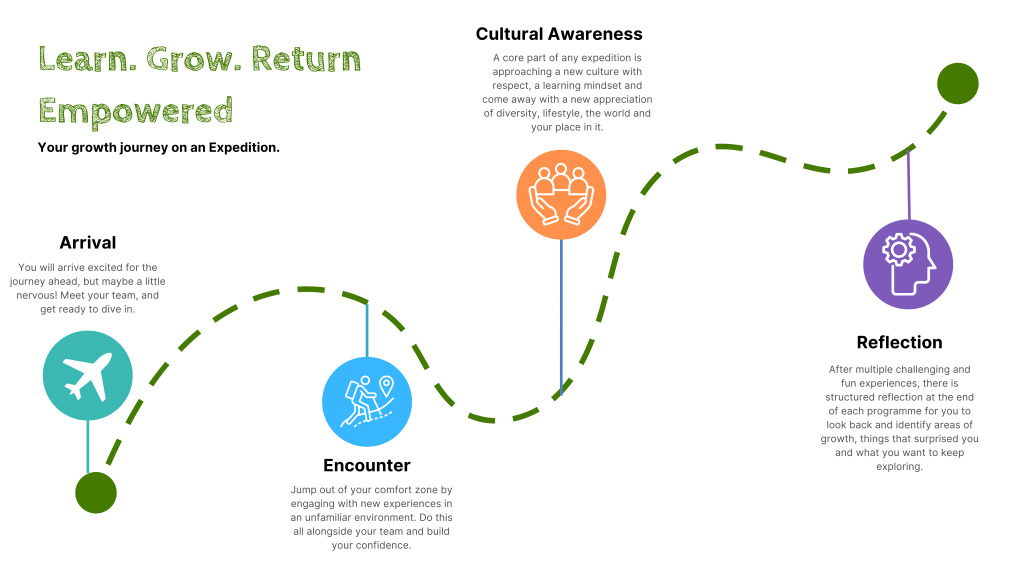
Your Intended Personal Outcomes (More Detail)
- Developing inter-cultural competency and ability to successfully communicate within a foreign cultural environment.
- Adaptability to changes in your own and foreign cultures.
- Tolerance: while working in teams, learn to listen more attentively, to respect each other’s opinion, team-work and team-spirit.
- Personal Skills: personability and set-up of sessions allows you to grow in confidence and communication.
- Appreciation of diversity: appreciation of the opinions and values of others, sensitivity to cultural diversity, and becoming more aware of your own context.
- Broader Perspective: Reconsider the cultural framework you have been brought up in and acquire skills that will enable you to observe and analyse encounters with diversity and to extend these beyond the framework of your own culture.
- Critical thinking.
- Soft skills: Presentation skills, time management, resilience, communication.
Local Impact - Regenerative Travel
Unlike conventional tourism, Think Pacific programs are partnership-based, regenerative, and purpose-led. Our aim isn’t just to take people somewhere; it’s to transform perspectives, strengthen local partners, and create long-term, measurable impact. We try to go beyond “Sustainable Travel” and actually become “Regenerative.”
Sustainable travel asks: How do we reduce the damage we cause?
Regenerative travel asks: How do we contribute to the health and renewal of the places we visit — socially, culturally, and ecologically?
Why Does Our Impact Model Matter?
Ensuring Sustainable, Targeted Impact
As a for-impact organisation within the realm of travel, we find ourselves in a sector that can easily be delivered unethically; becoming exploitative of cultures and societies, leveraging global challenges or the resources of other countries for business gain and reinforcing unequal power dynamics in global discourse. Whether a model is considered ethical or not comes down to how the programmes are structured and how our overall impact model is communicated and actualised. Being clear of the roles within this model are important.
We believe in expeditionary learning which creates genuine impact for all involved.
Local Design, Authentic Narrative
Fundamental to Think Pacific’s model is that every project is created in collaboration with and at the request of local organisations and communities to ensure everything we do has a real purpose and achieves long-term outcomes. We are respected for working within the framework of the government, adding immediate benefit to existing strategies through projects themselves and continued funding provided year-round. An example of this is driving forward the aims of Fiji’s National Development Plan through our projects across rural villages in Fiji.
Whether it be community immersion in a rural Fijian village or a team adventure in Bali or Thailand, it’s important you know that rather than imposing our own ideals, the programmes themselves and your participation are designed to support local objectives whilst giving you an experience that challenge your perspectives and increase your career opportunities.
Ethics by Design

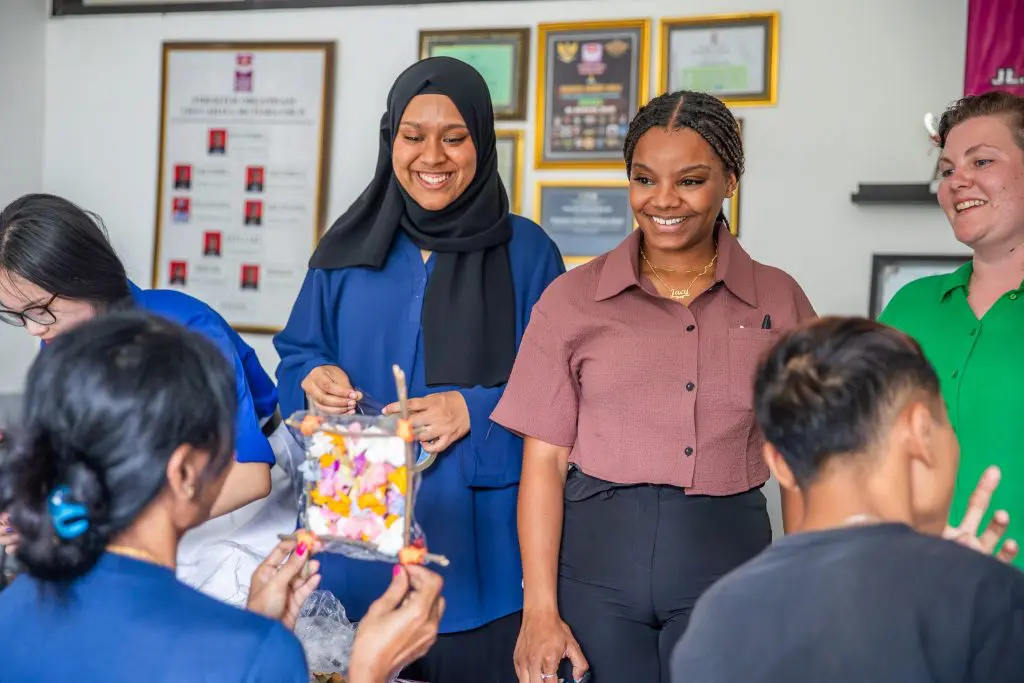
For us, ethical practice starts with clarity about roles, goals, and relationships. Our model is built on collaboration between:
- Participants: who join for learning, growth, and authentic adventure.
- Our Organisation: as a connector, facilitator, and support system.
- Local Partners: who define the goals and lead the work in their communities.
When Models Go Wrong
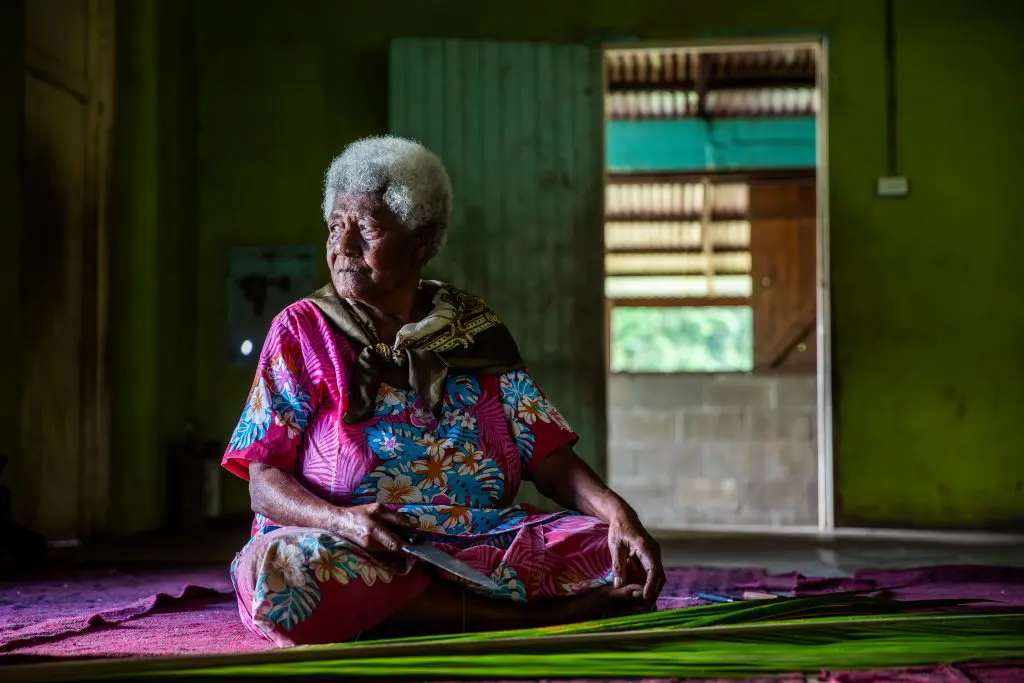
Without careful design and communication, the same model could be at risk of leading to harm.
For Participants:
- Lack of respect of host culture can tarnish learning experience and is inappropriate
- Lack of willingness to learn will stunt the growth experience
- Shallow cultural engagement can reinforce stereotypes and biases
For Partners:
- Time and energy may be diverted from more effective work
- Reinforces dependency or unbalanced global power dynamics
- Limits space for local youth to take part
For Destinations:
- Economic benefits may concentrate in already wealthy areas
- Can unintentionally displace local labour or learning opportunities
- Contributes to over-tourism and short-term fixes
Designed Under Local Aims and Development Frameworks
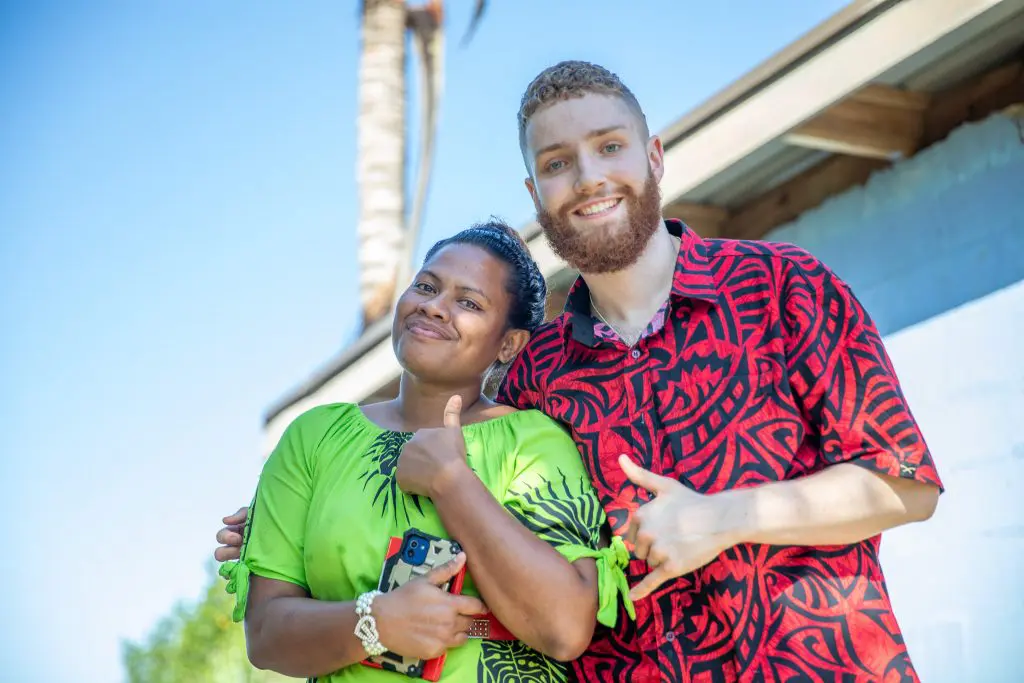
We are a global organisation.
But, critically, we have registered bodies all over the world that are part of our global delivery body and funded by our sustainable travel model, that are each unique in their aims, locally led by local teams and operate independently as well as within the global network. When you join one of our programmes, you are signing up to become a part of the in-country team that you choose and support their specialised goals.
The programme formats we deliver across the globe are consistent, but exactly how they are structured and what they serve within each location must be directed by the contexts in which they are delivered.
Tasking Fiji for example, each programme is designed to work towards goals stipulated in the Fiji National Development Plan and the Fiji National Sustainable Tourism Framework.
Our Ethical Commitments

To avoid these risks and maximise positive outcomes, we design our programmes to be:
- Programmes being locally led, designed (in collaboration with uni / college goals) and delivered in partnership with local bodies and at their request, or at least very supportive sign off and for their benefit.
- As much positive cultural education / contextualisation for the programme participant as possible.
- You can’t reduce a culture down to a couple of days of prep but we can at least get the basics done. Following the prep period, we encourage and promote ongoing learning opportunities throughout the programme.
- This is for the good of the work, and mindset and experience of the participants.
- Participants are given responsibilities / authority appropriate to their qualifications and experience, the majority of our participants currently being classed as ‘unskilled’ labour within the sector. Consistent impact of programme should not rely on, or is not built on the skill, experience or knowledge of the individual.
- We encourage participants to be self aware and reflect on their own internal bias, when approaching learning and understanding a new culture. Supervision and guidance from Think Pacific is provided in their own personal and professional journey.
- Planned profit from the enterprise creating clear legitimate local investment and reinvestment as a registered CIC.
- Communicating how this works and why
- Having accountability in this space
- Funding for sustainable and long term initiatives
- Specific investment for specific contexts, making them more relevant
| Area | Sustainable Travel – Minimize Harm | Regenerative Travel – Create Net Positive Impact |
| Environment | Staying in eco-certified accommodations | Participating in reforestation projects co-managed by local communities |
| Community Benefit | Buying from local shops and markets | Co-developing or contributing to local entrepreneurship programs, skills training, or microgrants |
| Cultural Integrity | Attending cultural performances as a guest | Engaging in structured, respectful cultural exchange led by local elders or knowledge keepers, with consent and reciprocity |
| Economic Impact | Supporting small, local businesses | Ensuring the majority of your travel fee stays in the host community and is reinvested in community priorities |
| Accommodation | Staying at a locally-owned guesthouse | Staying in a regenerative eco-lodge that restores land, employs locals, and supports community programs |
| Traveler Role | Conscious, low-impact consumer | Active co-learner, listener, and ally in community-led development and ecological renewal |
| Approach to Place | Leave no trace | Leave a place better than you found it, by supporting its capacity to thrive after you’re gone |
| Program Design | Reduce harm to people and planet | Increase vitality and resilience of people, place, and culture through reciprocal exchange |
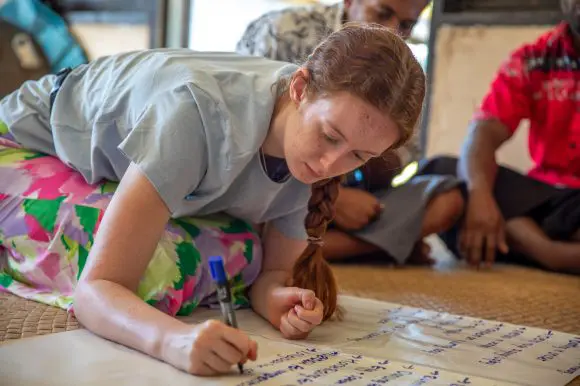
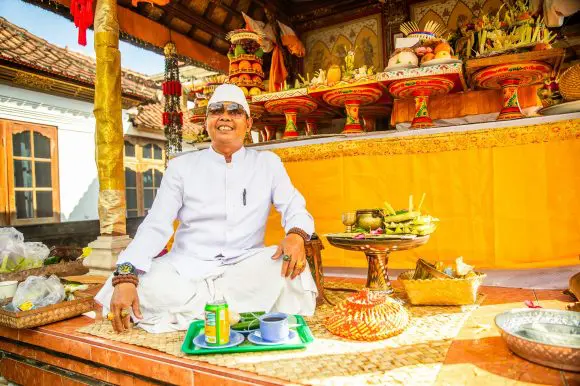
Micro
+
Macro
=
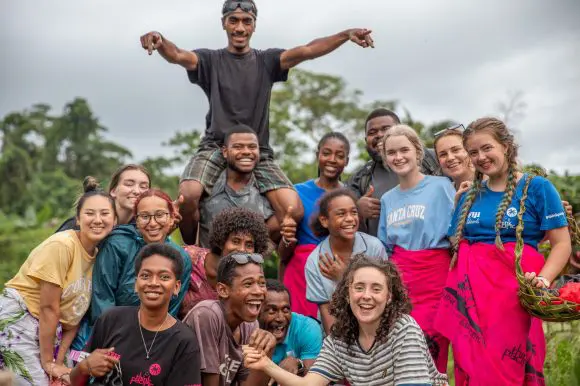
Sustainable Impact
Our Expectations of You
It's How You Show Up
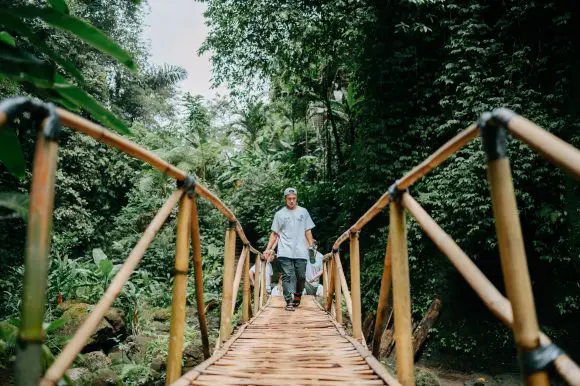
Curious and Open Minded
You may have guessed by now that we are very keen to encourage a learning mindset!
This is exactly what we ask of you when joining a Think Pacific project; to be curious and open-minded, arriving with the expectation to challenge your perspectives, adapt to new environments with humility and respect and learn about people and yourself. Part of this process involves un-learning your own perspective and recognising your own biases, and we really believe that this is highlighted when thrown into an unfamiliar environment and when met with people who come from very different backgrounds and cultures
During your program, you are part of the collaborative process that is a Think Pacific project – equitable, professional, respectful, mutually beneficial. This provides the setting for a healthy cultural exchange, an open learning environment for all involved and the right platform to succeed.
To this aim, we ask international students to view our projects as a global classroom in which they are participating with like-minded peers and to be proud that they have contributed financially to local community development.